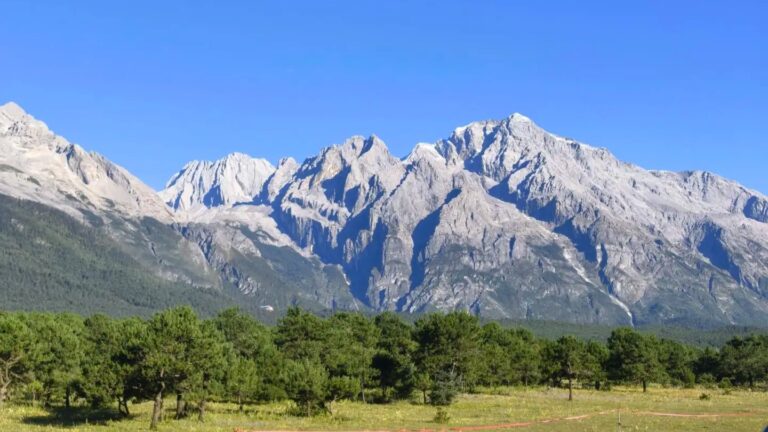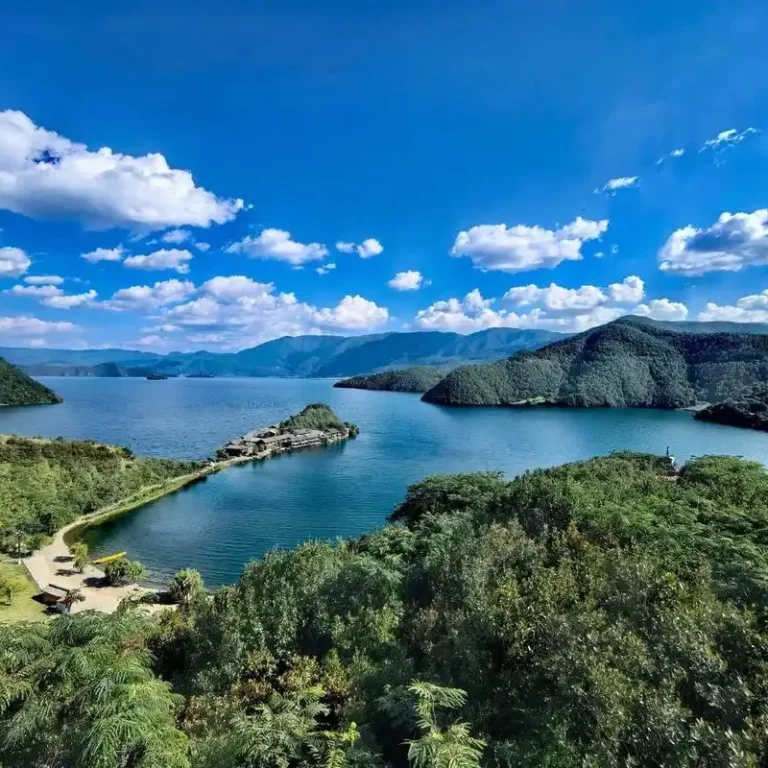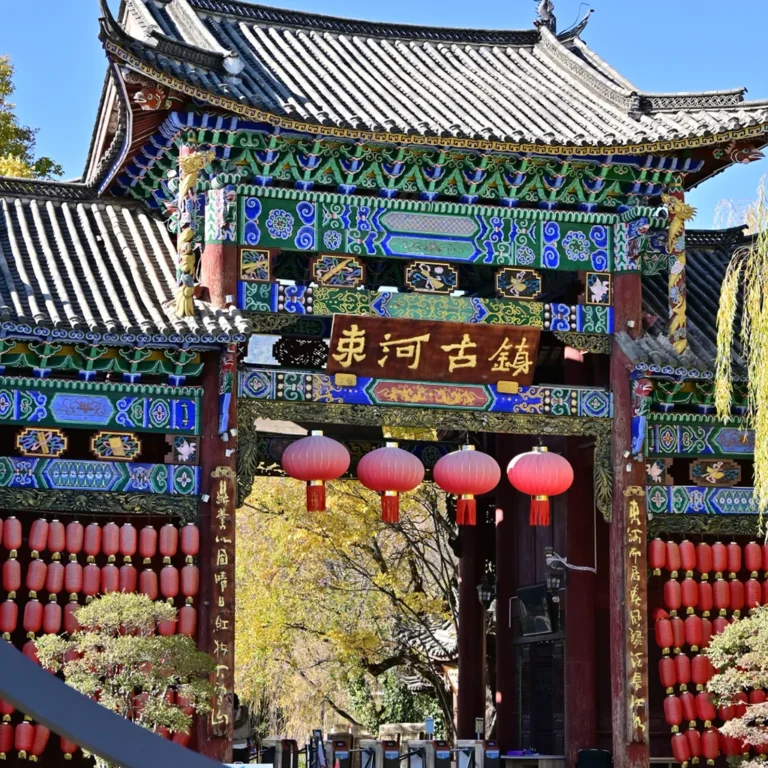












Lijiang Laojun Mountain is located in Yulong Naxi Autonomous County, Lijiang City, Yunnan Province, and is an integral part of the “Three Parallel Rivers” World Natural Heritage Site. It is not just a single mountain, but a nature park that encompasses areas such as Liming Danxia, the 99 Dragon Pools, the Gela Dan Grasslands, and Jinsichang. For travelers from Taiwan and Hong Kong, it’s an ideal destination to include in an in-depth tour of Lijiang—especially for those who enjoy geological landscapes, alpine lakes, grassland scenery, and off-the-beaten-path nature trails.
📍 Location
The area around Liming Lisu Township, Yulong Naxi Autonomous County, Lijiang City, Yunnan Province
🏛 Attraction Type
National Park / World Natural Heritage Core Area / Alpine Danxia and Lake-Grassland Landscapes
⏱ Recommended duration of stay
The Liming Danxia area takes about 2–4 hours; if you include the 99 Dragon Pools or Grassland areas, we recommend setting aside 1–2 days.
🎟 Tickets / Visitor Information
Ticket prices and operating hours may vary by area, so we recommend checking the latest announcements from the scenic area before you go.
⭐ Travel Highlights
High-Altitude Danxia Landforms, the 99 Dragon Pools, a Sea of Rhododendrons, the Gela Dan Grasslands, the Culture of the Ancient Tea-Horse Road, and Lisu Ethnic Culture
What is Laojun Mountain in Lijiang?
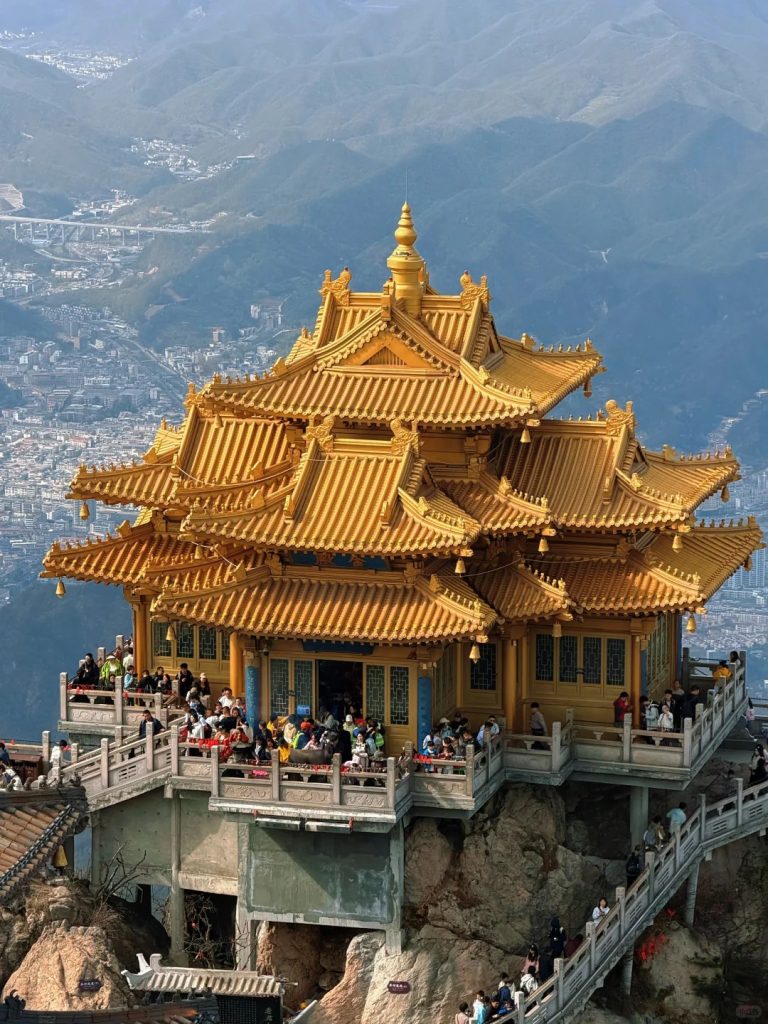
Laojun Mountain in Lijiang is often referred to as the “ancestor of all mountains in Yunnan Province.” Its main peak stands at an elevation of approximately 4,515 meters and straddles the junction of Lijiang, Dali, and Nujiang, forming one of the core areas of the “Parallel Rivers of Yunnan” World Natural Heritage Site. Unlike Yulong Snow Mountain, which is a single scenic area centered on the Snow Mountain Cableway, Laojun Mountain consists of multiple natural zones, including the Liming Alpine Danxia, the Ninety-Nine Dragon Pools, the Gela Dan Alpine Grasslands, and Jinsichang.
For most visitors, the Li Ming Danxia area is the most accessible. It features extensive red sandstone landscapes; in particular, Qian gui Mountain—where weathering of the rock layers has formed crack-like protrusions—resembles a group of turtles climbing a mountain when viewed from afar, creating a truly unique geological landscape. For those seeking a deeper exploration, a visit to the Ninety-Nine Dragon Pools is recommended. There, you’ll find a chain of alpine lakes, fir forests, and rhododendrons. Meanwhile, the Gela Dan Grassland offers the vast, open feeling of an alpine meadow; in summer, wildflowers bloom in abundance, making it an ideal spot for camping and stargazing.
Located along the classic Kunming–Dali–Lijiang–Shangri-La route, Laojun Mountain in Lijiang is a relatively natural and peaceful stop. Unlike the ancient town or the snow-capped mountains, it isn’t highly commercialized, making it ideal for travelers willing to spend time exploring the mountains and forests to experience the landscape of the northwestern Yunnan Plateau. If you’ve already explored Lijiang Old Town, Shuhe Ancient Town, and Yulong Snow Mountain and are looking for a place with a stronger sense of nature, Laojun Mountain is an excellent choice to round out your trip.
Historical and Natural Context
The name “Laojun Mountain” in Lijiang derives from the legend that Laozi once refined elixirs here. However, rather than its religious legends, the area’s most notable value lies in its natural geology and ecology. Located in an area where the Jinsha River, Lancang River, and Nu River flow side by side, the region features towering mountains and deep gorges, creating a rich variety of landforms and vegetation zones.
Timeline of Nature and Culture
Since the Tang Dynasty
Laojun Mountain has gradually come to the forefront due to Taoist legends and the culture of mountain asceticism, becoming part of local mythology and folk memory.
1988
Laojun Mountain has been designated as a national scenic area.
2003
The “Three Parallel Rivers” have been inscribed on the UNESCO World Natural Heritage List, and Laojun Mountain has become an important part of it.
Recent Developments
The Liming Danxia area is gradually becoming more accessible to general tourists, while Jiujiu Longtan, Gela Dan Grassland, and Jinsichang are better suited for well-prepared nature travelers.
Starting in August 2026
Due to road damage caused by heavy rainfall, the Geladan Scenic Area was temporarily closed, as previously announced; reopening dates will be announced at a later time.
The charm of Laojun Mountain in Lijiang lies in the fact that it still retains much of its pristine natural beauty. Here you’ll find Danxia red cliffs, glacial lakes, alpine meadows, and primeval fir forests, as well as Lisu villages and ruins along the ancient Tea-Horse Road. However, precisely because the area is vast and the different sections are scattered, when planning your itinerary, you shouldn’t treat it as “a single attraction to explore in one go.” Instead, you should first identify the specific areas you want to visit and determine your transportation options.
Highlights
1. Danxia Landforms at Qianguishan at Dawn
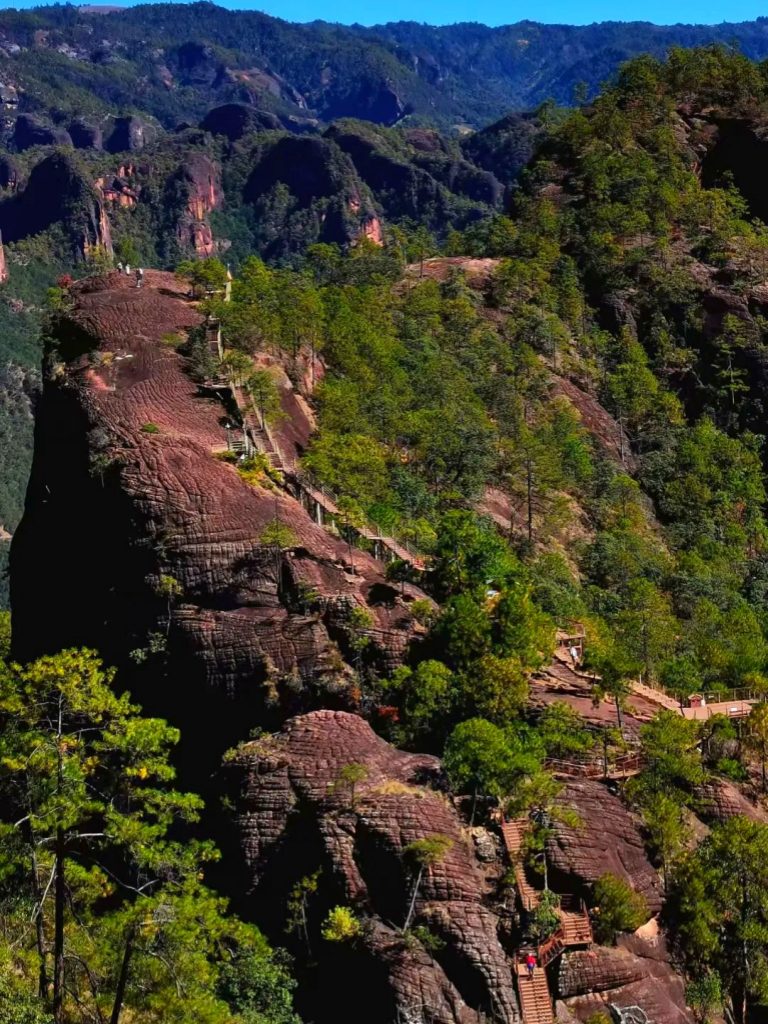
Qian gui Mountain is a signature landmark of the Liming area in Laojun Mountain. Weathering and erosion have created crack-like protrusions on the surface of the red sandstone, which, when viewed from a distance, resemble numerous turtles crawling up the mountainside. This area is one of China’s largest and most well-preserved examples of alpine Danxia landforms.
- Recommended Photo Spots: High up on the Danxia Boardwalk, Qiantui Mountain Viewing Platform
- Recommended Length of Stay: 1.5–2.5 hours
- Ideal for travelers: Photography, geological landscapes, light hiking
2. Ninety-Nine Dragons Pond
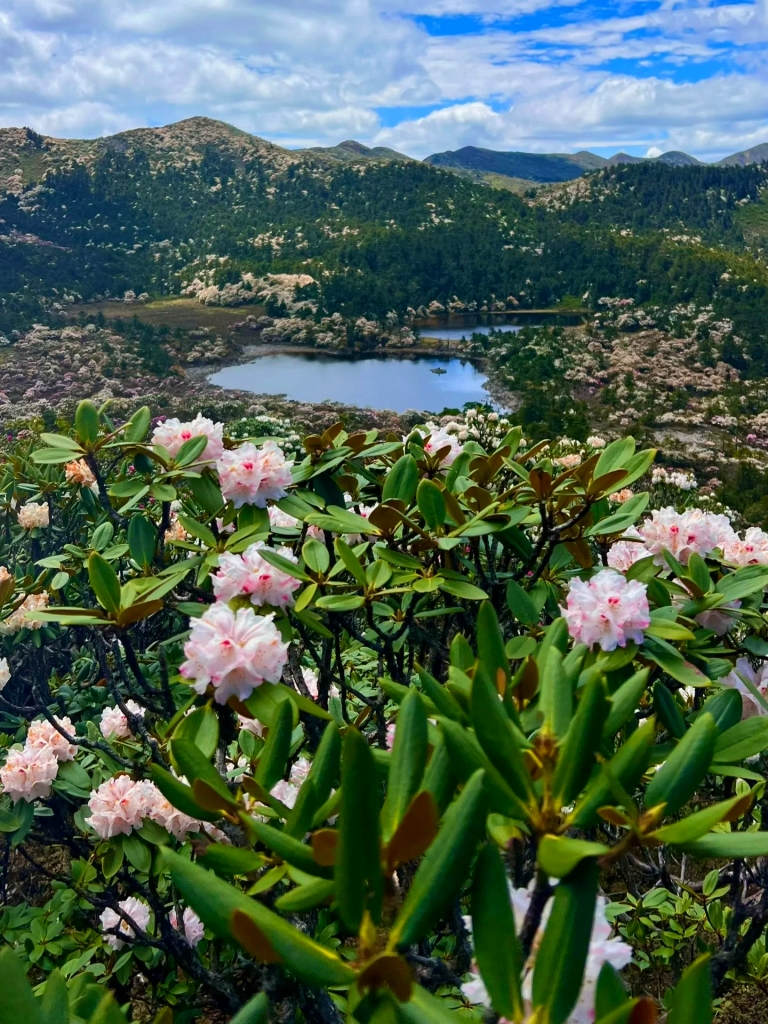
The 99 Dragon Ponds are located at the foot of the main peak on the northern side of Laojun Mountain and consist of a series of alpine lakes, streams, and marshes. The trail winds through fir forests and rhododendron groves, making it especially beautiful in the spring and summer.
- Recommended Photo Spots: The lakeside boardwalk, where azaleas and the lake surface come together in the frame
- Recommended Length of Stay: 2–4 hours
- Ideal for travelers: People who enjoy forests, lakes, and hiking in the mountains
3. Geladan Alpine Grasslands
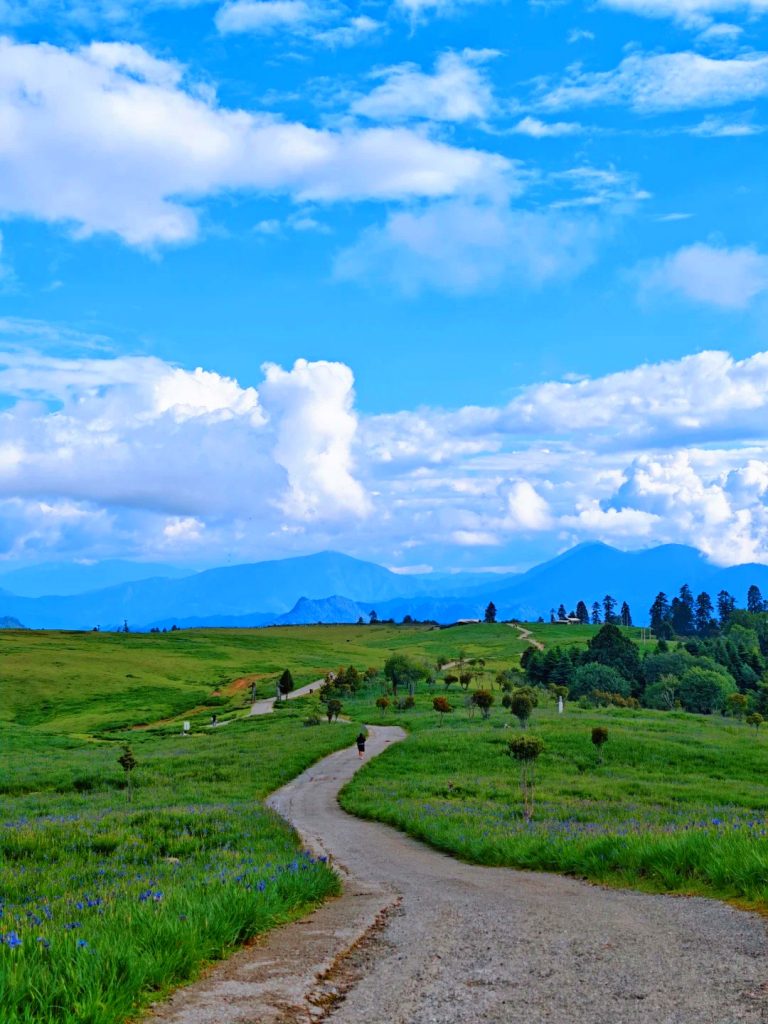
Located at an elevation of approximately 3,600 meters, Geladan features expansive meadows, wildflowers, and pastoral scenery, making it particularly well-suited for stargazing and camping in the summer. However, the area is relatively remote, and it was temporarily closed in August 2026 due to road damage; be sure to check the latest conditions before setting out.
- Recommended Photo Spots: Distant view of the grasslands, a herd of livestock at dusk, a starry sky
- Recommended Length of Stay: 2–4 hours; if camping, 1 night can be arranged
- Ideal for travelers: Camping, astrophotography, nature enthusiasts
4. The Rise and Fall of the Liming Lisu Ethnic Township and the Sun
Liming Township is located near the Danxia region of Laojun Mountain. Due to the unique topography of the valley, visitors may witness the optical phenomenon of the sun appearing to rise and set multiple times at dawn. Here, you can also experience Lisu culture, village life, and local cuisine.
- Recommended Photo Spots: The valleys surrounding Liming Village, the sunrise viewing spot
- Recommended Length of Stay: 1–2 hours
- Ideal for travelers: Humanistic Photography, Slow Travel
5. Jinshi Factory Area
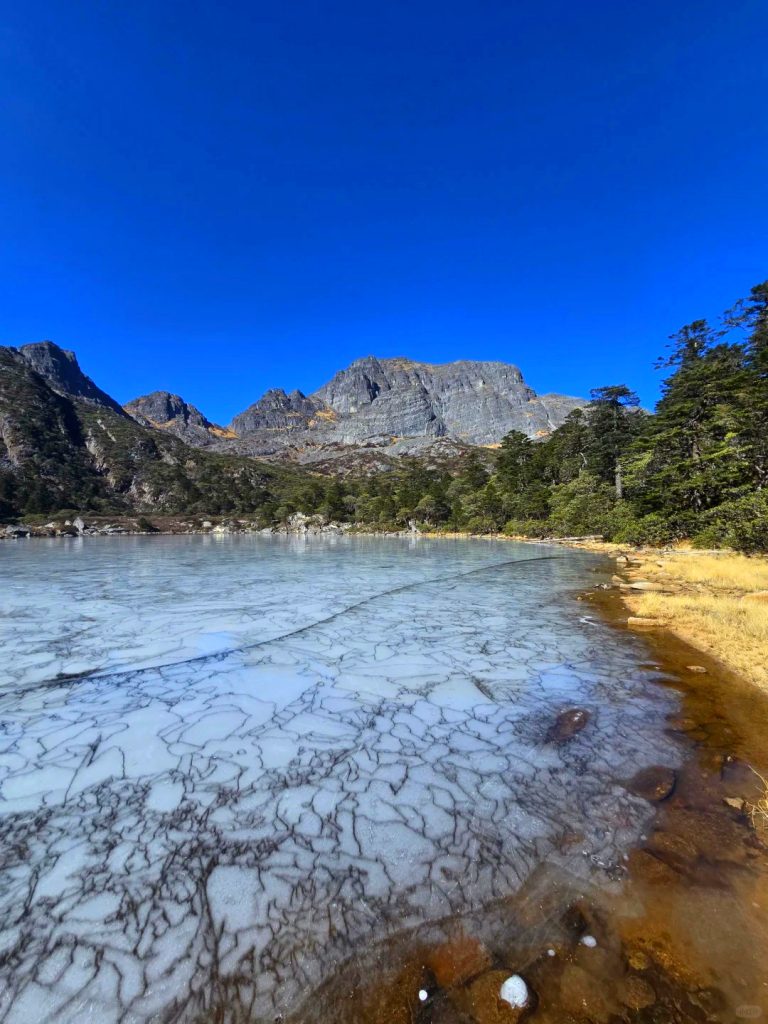
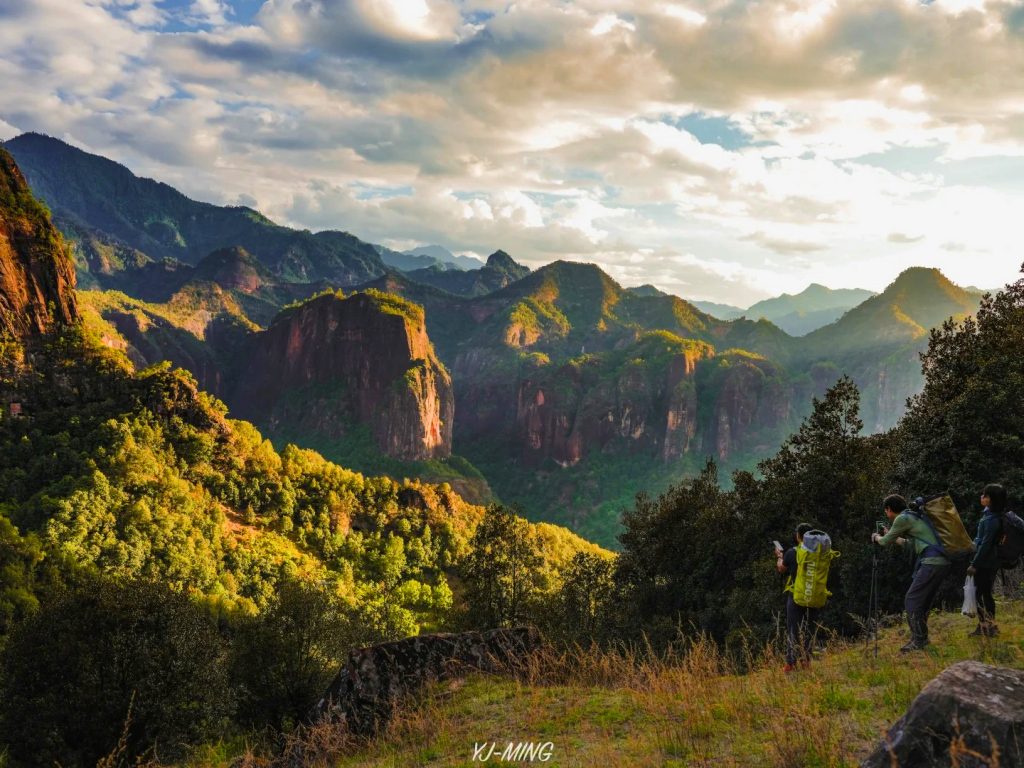
Jinshi Factory is one of the more pristine core areas of Laojun Mountain, featuring alpine lakes, rhododendron forests, and snow-capped peaks. As this area is relatively undeveloped, it is not suitable for unprepared travelers to visit on their own; it is strongly recommended that visitors be accompanied by a guide familiar with the local terrain.
Qian gui Mountain is a signature landmark of the Liming area in Laojun Mountain. Weathering and erosion have created crack-like protrusions on the surface of the red sandstone, which, when viewed from a distance, resemble numerous turtles crawling up the mountainside. This area is one of China’s largest and most well-preserved examples of alpine Danxia landforms.
- Recommended Photo Spots: High up on the Danxia Boardwalk, Qiantui Mountain Viewing Platform
- Recommended Length of Stay: 1.5–2.5 hours
- Ideal for travelers: Photography, geological landscapes, light hiking
Tour and Experience
Laojun Mountain in Lijiang is a good choice.I enjoy natural scenery, easy hikes, photography, and off-the-beaten-path routestravelers. If you’re just looking to relax, go shopping, drink coffee, and take photos of the ancient town, this might not be your top choice; but if you’ve already visited Lijiang Ancient Town and Shuhe Ancient Town and want to see more pristine mountain landscapes, Laojun Mountain will be very appealing.
Is this suitable for parents and children?
If electric carts or cable cars are available in the Liming Danxia area, even visitors with average stamina can explore the area with relative ease. However, areas such as the 99 Dragon Pools and the Golden Silk Factory involve long walking distances, so it is not recommended to bring very young children there.
Is this suitable for older adults?
If you choose the Liming area and make good use of the scenic area’s transportation, seniors can still arrange for a short visit. However, since the mountainous area is at a high elevation and the weather changes rapidly, those with limited mobility should carefully assess their ability to visit.
Recommended Length of Stay
- See only the Dawn Danxia: 2–4 hours
- Visit Jiujiu Longtan: Recommended duration: 1 day
- If you want to experience the grasslands, go camping, or go on an in-depth hike: you can plan for 1–2 days
Recommended Time Slots
It’s best to set out in the morning, as the weather in the mountains tends to be more unpredictable in the afternoon. If you want to capture the play of light and shadow on the Danxia landforms, early morning or evening are both ideal times.
Is it a good idea to combine this with nearby attractions?
This is a good option. It can be combined with a visit to the First Bend of the Yangtze River, Shigu Town, Shitou City, Lijiang Old Town, or Shangri-La, but be sure to allow plenty of time for travel.
Transportation | How to Get to Laojun Mountain in Lijiang?
Laojun Mountain in Lijiang covers a large area, with different sections located in various places. The most popular destinations for general tourists areLiming Danxia Area. The transportation options listed below are for planning purposes only. Actual schedules, traffic conditions, and attraction operating hours are subject to change; we recommend checking the latest information before departure.
1. From downtown Lijiang
To travel from Lijiang Old Town or Shuhe Ancient Town to the Liming Township area, you’ll typically need to hire a private car, drive yourself, or join a local day tour. The drive takes about 2–3 hours, though the actual travel time may vary depending on traffic conditions and your specific destination.
2. Buses/Shuttle Buses
Currently, there may not be regular public bus service between the various areas of Laojun Mountain; in some cases, you may need to transfer from Lijiang, Shigu Town, or nearby towns. We recommend checking with your accommodation, a local travel agency, or the scenic area’s information hotline before departure.
3. Taxis/Ride-Hailing Services
In downtown Lijiang, you can book a private car to the Liming area, but it may not be easy to find a ride back on short notice, so it’s recommended that you arrange a pickup time with the driver in advance.
4. Driving Yourself
You can drive to Liming Township or the area near the Laojun Mountain Liming Scenic Area. The mountainous terrain has many curves, and during the rainy season, there may be falling rocks or road damage; driving at night is not recommended.
5. From Lijiang Train Station
Lijiang Railway Station is not far from the Old Town; you can head to the Old Town or Shuhe first and then hire a car from there. The entire trip usually takes more than 2 hours.
6. From Lijiang Sanyi Airport
The airport is about a 30–40-minute drive from downtown Lijiang, and the trip to Laojun Mountain takes about 2–3 hours from there. If your flight arrives late, we recommend staying overnight in downtown Lijiang and heading to the scenic area the next day.
Admission, Hours, and Visitor Information
| Project | Description |
|---|---|
| Admission Tickets | Tickets may be sold separately for different areas; prices are subject to the scenic area's announcements on the day of visit. |
| Hours of Operation | The Dawn area was previously listed as 08:30–17:30; this is for reference only. |
| Recommended Visiting Hours | It's best to visit in the morning; allow 2–4 hours or a full day. |
| Is an appointment required? | We recommend checking in advance whether you need to make a reservation using your real name or purchase tickets on-site. |
| Best Season | The azalea season is in May–June; autumn colors are more consistent in September–October |
| Restroom | Restrooms are usually available at the entrance to scenic areas or at major viewing spots, but are less common further in. |
| Accessibility Information | The mountainous terrain is very rugged, and accessibility features are limited. |
| Important Notes | The Geladan Scenic Area was temporarily closed in August 2026; please check before you go. |
Best Time to Visit
Spring: April–May
As temperatures rise, the azaleas are gradually blooming, and the scenery around Jiujiu Longtan is particularly beautiful. However, spring weather in the mountains remains unpredictable, so be sure to bring a windbreaker.
Summer: June–August
The grasslands and seas of flowers are at their most beautiful, but this is also the rainy season. Roads may be affected by rainfall; the Geladan area has been temporarily closed due to this in the past. If you plan to visit in the summer, pay special attention to road conditions and take precautions against slippery surfaces.
Fall: September–October
The weather is relatively stable, and visibility is good, making it ideal for photographing Danxia landforms and alpine forests. This is a time of year that is generally easier for most travelers to plan their trips around.
Winter: November–March
There are relatively few visitors, and on sunny days, the mountain views are crystal clear. However, temperatures are low and winds are strong, and some sections of the trail may be icy; travelers without high-altitude experience are advised not to venture too far in.
Recommended Length of Stay
30 minutes
It's only suitable for stopping by to take photos; you won't be able to fully experience Laojun Mountain.
60–90 minutes
This tour offers a quick overview of the scenery near the entrance to Dawn Danxia, making it ideal for travelers on a tight schedule.
2–4 hours
An ideal itinerary would include walking along a section of the Danxia boardwalk and taking photos of the scenery at Qian gui Mountain and the canyon.
1 day
You can add the Jiujiu Longtan or Liming Township cultural experience to make your itinerary even more complete.
1–2 days
Ideal for travelers who want to fully experience high-altitude lakes, grasslands, or camping, but be sure to check the area’s accessibility and lodging options.
How should I plan my itinerary for nearby attractions?
Half-Day Tour: Depart from Lijiang Old Town → Liming Danxia
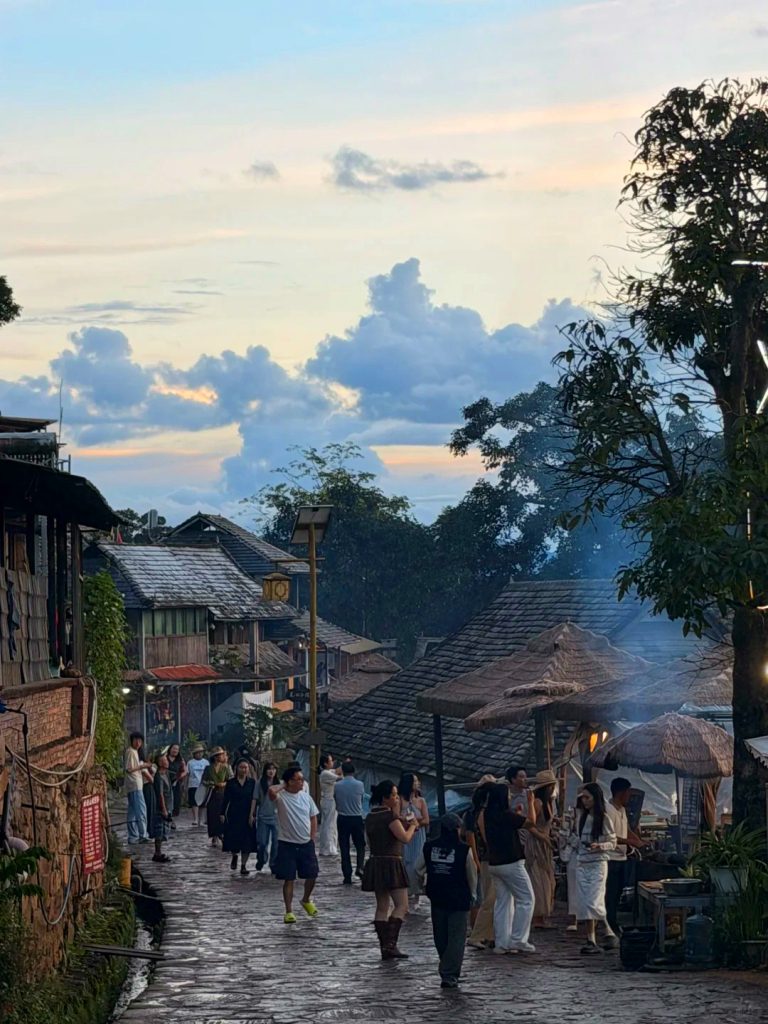
- Lijiang Laojun Mountain Liming Danxia Area
We recommend spending 2–4 hours here. It’s a great place to see the red sandstone, Thousand Tortoise Mountain, and the canyon scenery. - Dawn Village
We recommend staying for 30–60 minutes. You can experience the atmosphere of Lisu life and the scenery of the mountain village.
Day Trip: Lijiang → First Bend of the Yangtze River → Laojun Mountain → Lijiang
- The First Bend of the Yangtze River / Shigu Town
We recommend staying for 30–60 minutes. This is a great stop along the way to Laojun Mountain to enjoy the cultural sights and river views. - Liming Danxia Area
We recommend staying for 2–4 hours. - Lijiang Old Town or Shuhe Ancient Town
After returning in the evening, we had dinner and rested; the pace of the itinerary was quite relaxed.

Two-Day Trip: Lijiang → Laojun Mountain → Toward Shangri-La
- Day 1: Lijiang City → Liming Danxia → Jiujiu Longtan or nearby accommodations
- Day 2: Around Laojun Mountain → Shigu Town → Shangri-La or return to Lijiang
This route is suitable for travelers who have plenty of time and are willing to endure a longer drive.
Recommended Itineraries
Option A | Half-Day Tour of Lijiang’s Hidden Natural Gems
Lijiang Old Town → Liming Danxia Area → Qian gui Mountain Viewpoint → Return to Lijiang
Ideal for first-time visitors to Laojun Mountain who have limited time and don’t want to get too tired.
Option B | One-Day Tour of Laojun Mountain in Lijiang
Lijiang → Shigu Town / The First Bend of the Yangtze River → Liming Danxia → The Outskirts of the Ninety-Nine Dragon Pools → Lijiang
Ideal for travelers who want to see both Danxia landscapes and alpine lakes in one trip. If road conditions on Jiujiu Longtan Road are poor, you can opt for the cultural experience in Liming Township instead.
Option C | In-Depth Nature Tour of Lijiang and Shangri-La
Lijiang → Laojun Mountain (Luming Area) → Shangri-La → Pudacuo / Napahai → Return to Lijiang
Ideal for travelers on a 5–7-day tour of northwestern Yunnan who want to explore a combination of natural landscapes, ancient towns, and highland lakes.

Travel Tips
- Check the status of the area's opening
Laojun Mountain covers a large area, and access may vary by section. The Geladan Scenic Area was temporarily closed in August 2026 due to road damage. - Altitude Sickness
Some areas are at high altitudes, so first-time visitors to Lijiang should avoid planning overly long hikes. If you experience dizziness or chest tightness, slow down and take a break immediately. - The weather changes quickly
Fog, rain, or a sudden drop in temperature may occur in mountainous areas, so it is recommended that you bring a windbreaker, rain gear, and warm clothing. - Clothing and Shoes
We recommend wearing non-slip hiking boots or athletic shoes; please avoid wearing flip-flops or sandals on mountain trails. - Allow plenty of time for travel
The trip from downtown Lijiang to Laojun Mountain usually takes more than 2 hours; it’s also recommended to allow for some extra time on the return trip. - Holiday Crowds and Traffic
During holidays, chartered vehicles, accommodations, and transportation to scenic areas may be in high demand, so we recommend booking in advance. - Families and Seniors
The Liming area is relatively easy to reach; areas such as Jiujiu Longtan and Jinsichang are less suitable for young children, the elderly, or people with limited mobility. - Environmental Protection and Safety
Do not enter undeveloped areas, do not climb over railings, and do not litter. Smoking or the use of open flames may be prohibited in certain areas; please follow the on-site rules.
Frequently Asked Questions (FAQs)
Is Laojun Mountain in Lijiang worth visiting?
If you enjoy natural geological landscapes, alpine lakes, grassland scenery, or off-the-beaten-path destinations, Laojun Mountain in Lijiang is definitely worth a visit. However, if you’re just looking for a leisurely shopping trip or a quick photo op, it may not be as convenient as Lijiang Old Town or Yulong Snow Mountain.
Is there an admission fee for Laojun Mountain in Lijiang?
Admission fees are typically required, but tickets may be sold separately for different areas, and prices and policies are subject to change. We recommend checking the attraction’s latest announcements before you go.
What are the opening hours for Laojun Mountain in Lijiang?
The Dawn Zone was previously listed as 8:30 a.m.–5:30 p.m., but this is for reference only. Other zones may not have fixed operating hours and are subject to road conditions, weather, and park management.
How do I get to Laojun Mountain in Lijiang?
The most common ways to get to the Liming area are to hire a private car from downtown Lijiang, drive yourself, or join a local tour. Public bus service may not be reliable, so it’s recommended to check in advance.
How long does it take to visit Laojun Mountain in Lijiang?
The tour of Dawn Danxia takes about 2–4 hours; if you include the 99 Dragon Pools or the Grassland area, we recommend setting aside at least one day.
Is Laojun Mountain in Lijiang a good destination for family trips?
The Liming area is relatively well-suited for short family visits; areas such as Jiujiu Longtan and Jinsichang involve longer walks, so it is not recommended to bring very young children there.
What are some attractions near Laojun Mountain in Lijiang?
Nearby attractions include the First Bend of the Yangtze River, Shigu Town, Shitou City, Lijiang Old Town, and Shuhe Ancient Town; you can also extend your trip toward Shangri-La.
Which other attractions can be combined with a visit to Laojun Mountain in Lijiang?
Can be used withLijiang Old Town, Shuhe Ancient Town, Yulong Snow Mountain, the First Bend of the Yangtze River, Shigu TownPlan your itinerary around Lijiang; if you have more time, you can also head toShangri-La, Pudacuo, NapahaiPlanning Your Itinerary. Since Laojun Mountain covers a large area and involves a long drive, we recommend visiting only 1–2 major attractions at a time to avoid a rushed schedule.
Is there altitude sickness at Laojun Mountain in Lijiang?
Some areas are at higher elevations, and first-time visitors to Lijiang may experience discomfort such as dizziness or shortness of breath. We recommend not planning too long a hike on your first day, taking frequent breaks during your trip, avoiding running and jumping, and slowing down if necessary.
Is Laojun Mountain in Lijiang a good place to visit in winter?
There are fewer visitors in winter, and visibility is good on sunny days; however, temperatures are low and winds are strong, and some sections of the trail may be icy. If you have no experience hiking in high-altitude areas, it is not recommended to venture deep into remote areas.
Recommended Itinerary CTA
If you'd like to include Laojun Mountain in Lijiang in your itinerary, you can start byLiming Danxia AreaTo start, combine it with Lijiang Old Town, the First Bend of the Yangtze River, or Shigu Town to create a leisurely nature-focused itinerary. If you later wish to continue on toward Shangri-La, you can also make Laojun Mountain a stopover between Lijiang and Shangri-La.
Before you leave, we recommend checking the status of each area, road conditions, and announcements from tourist attractions—especially during the rainy season or on holidays. Would you like me to put this together for you?Itineraries for Half-Day, One-Day, or Two-Day Tours...or you can continue to let me know your departure location, the number of days, and your preferences.