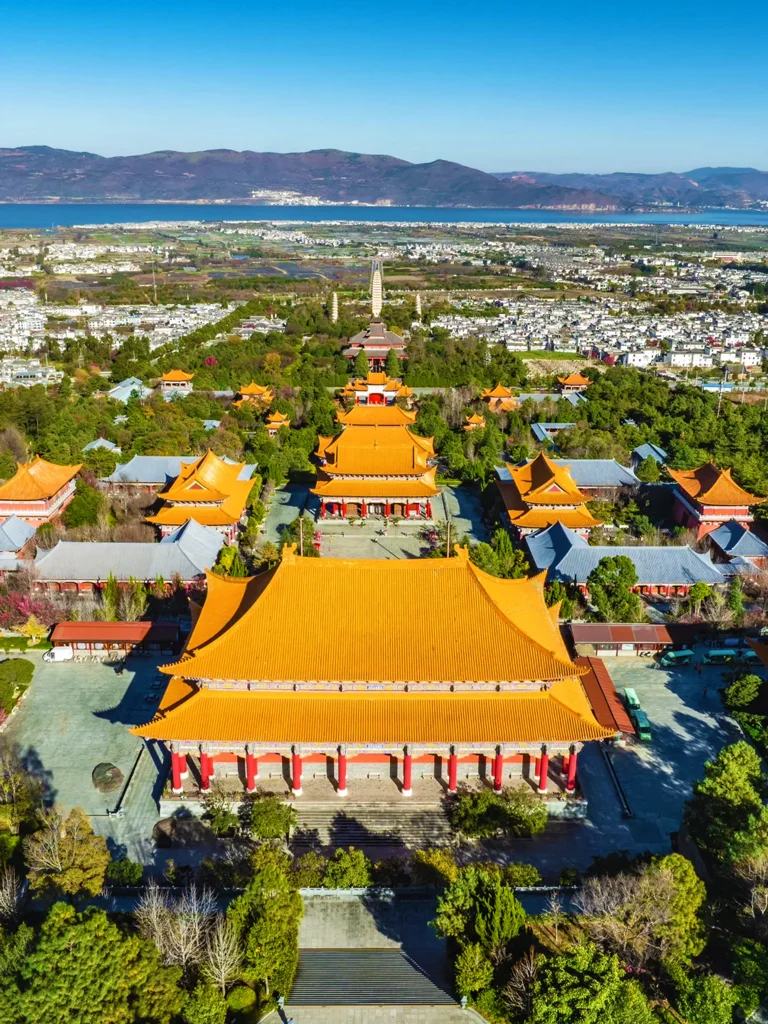












At the foot of Cangshan Mountain, on the shores of Erhai Lake, lies an ancient city that has been gently caressed by the passage of time—Dali Old Town. Once the capital of the Nanzhao Kingdom, it has witnessed a thousand years of ups and downs in western Yunnan; today, it has become synonymous with a slow-paced lifestyle, its bluestone-paved streets, white walls, and black-tiled roofs capturing all of Dali’s poetry and everyday charm. Every inch of brick and tile in the ancient city is steeped in the gentleness of time; every breeze carries tales spanning a thousand years. At dawn, the ancient city awakens in the morning mist; small shops along the streets slowly open their wooden doors, and wisps of cooking smoke rise into the air. At dusk, the setting sun bathes the city walls in golden light, lanterns come on one by one, and the sounds of people gradually fill the air; At night, streetlights illuminate the cobblestone paths, and soft singing drifts from the bars, enveloping the entire ancient city in a gentle atmosphere. Stepping into Dali’s Old Town means leaving the hustle and bustle of the city behind and embarking on a healing journey—a gentle encounter with time, ancient charm, and the slow pace of life—where everyone who yearns for freedom can find peace and let go of all their inner restlessness and longings.
Table of Contents
Ticket and Opening Hours Information
- Hours: Open all day, 12:00 a.m.–11:59 p.m.; most stores are open from 9:00 a.m.–10:00 p.m.
- Recommended visit duration: 2–3 hours; a half-day stroll is just right.
- Admission Information: Admission to Dali Old Town is free; no ticket is required. Additional tickets are required only for specific historic architectural sites within the old town that charge admission.
- Eligibility for Discounts: Historic sites that charge admission offer discounts to seniors, children, and students. An entry permit may be used as proof of identity, and tour guides will assist with verifying eligibility on-site.
- Best time to visit: During the day, the light is soft, perfect for shopping and taking photos; in the evening and after dark, the old town is romantically lit and has a relaxed atmosphere, ideal for a leisurely stroll.
Why is Dali Old Town a must-see for tourists?
- A iconic landmark of Dali and a classic must-visit spot—when traveling to Dali, you simply must explore Dali Old Town to experience the historical atmosphere of its ancient city gates, cobblestone streets, and traditional architecture. It is the most talked-about classic attraction in Dali online.
- This is an incredibly relaxed itinerary, suitable for all ages. The entire route follows the flat, historic street—no mountain climbing or long flights of stairs required. You can stroll at your own pace, stop whenever you like to rest, and enjoy a carefree, stress-free experience.
- Satisfy your cravings for food, shopping, and photography all in one place—with Bai ethnic snacks, artsy streets and alleys, Instagram-worthy backdrops, ethnic-style clothing rentals, and local souvenirs. Perfect for travelers who enjoy leisurely travel and shopping.
- Its central location makes it ideal for combining with nearby attractions, allowing you to easily visit Dali’s Erhai Lake, Shuanglang, Xizhou Ancient Town, and Cangshan Scenic Area to plan a comprehensive multi-day itinerary in Dali.
An Ancient City at the Foot of Cangshan Mountain: Discover the Leisurely Pace of Dali Through the Ages
The Majestic Tower: The Millennium-Old Facade and Soul of the Ancient City
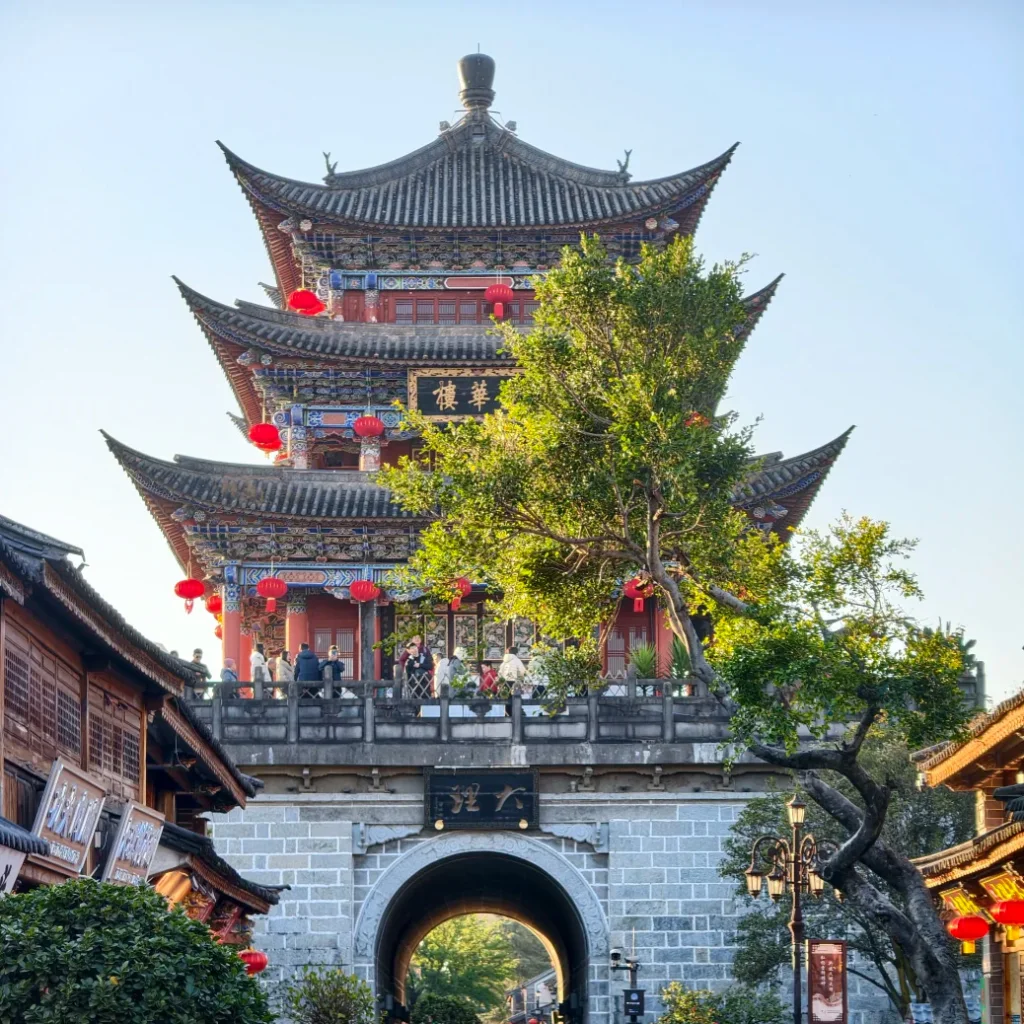
The majestic Hua Lou Tower stands tall in the center of Dali's Old Town, serving asDali Old TownThe most iconic sight. Built during the Ming Dynasty, this five-story pavilion features upturned eaves, intricately carved beams and painted rafters, red lanterns hanging high, and vibrant polychrome decorations—every detail reveals the craftsmanship of ancient architecture. The stone archway at the base of the pagoda serves as the ancient city’s main north-south thoroughfare. Passersby stroll through it with a light step, creating a harmonious contrast between movement and stillness against the pagoda’s serene backdrop. On the plaque atop the pagoda, the two characters “Dali” are inscribed in bold, vigorous strokes, telling the story of the ancient city’s millennia-long history. The Hua Lou is not only a landmark of Dali’s Old Town but also its central hub. From here, four main streets extend in all four directions, connecting the scenic highlights of the entire Old Town. Standing at the base and looking up, the bluish-gray roof tiles appear particularly gentle against the blue sky, while red lanterns sway gently in the breeze, as if beckoning every visitor. From every window of the Hua Tower, one can glimpse a different view of the ancient city; every floor holds the layers of history that have settled over the centuries. When visiting Dali’s Ancient City, be sure to pause before the Hua Tower to experience the grandeur and warmth of this millennia-old city, and etch its image deep into your memory.
The blue-stone-paved alleys hide the everyday life of the ancient city.
The narrow alleys of Dali's Old Town stretch deep into the heart of the city; the bluestone paths have been smoothed by the passage of time, and on either side stand residential houses with white walls and dark-tiled roofs, formingDali Old TownThe corner that feels most alive with daily life. On both sides of the alley, wooden doors stand slightly ajar; occasionally, a resident steps out, carrying a grocery basket, and walks slowly by, their footsteps light, as if reluctant to disturb the alley’s tranquility. Small tables and chairs are neatly arranged along the roadside, as if someone might sit down at any moment to enjoy a cup of tea and chat for a while. The shadows of the trees fall on the walls, swaying gently in the breeze, adding a touch of poetry to the alley. The alleys of Dali’s Old Town are a portrait of a slow-paced life—free from the clamor of crowds and the hustle of tourists, filled only with the daily lives of residents and the quiet of the alley. Walking along the bluestone paths, beneath my feet lie stones smoothed by the passage of time; beside me stand rustic dwellings, and the air is filled with the faint, fresh scent of wood and earth. Every alley conceals a different scene; behind every door lies a story of the ancient city. The beauty of Dali’s Old Town lies not only in its grand buildings and main streets, but even more so in these hidden alleys. They embody the daily life of the old town and reveal Dali’s most genuine warmth.
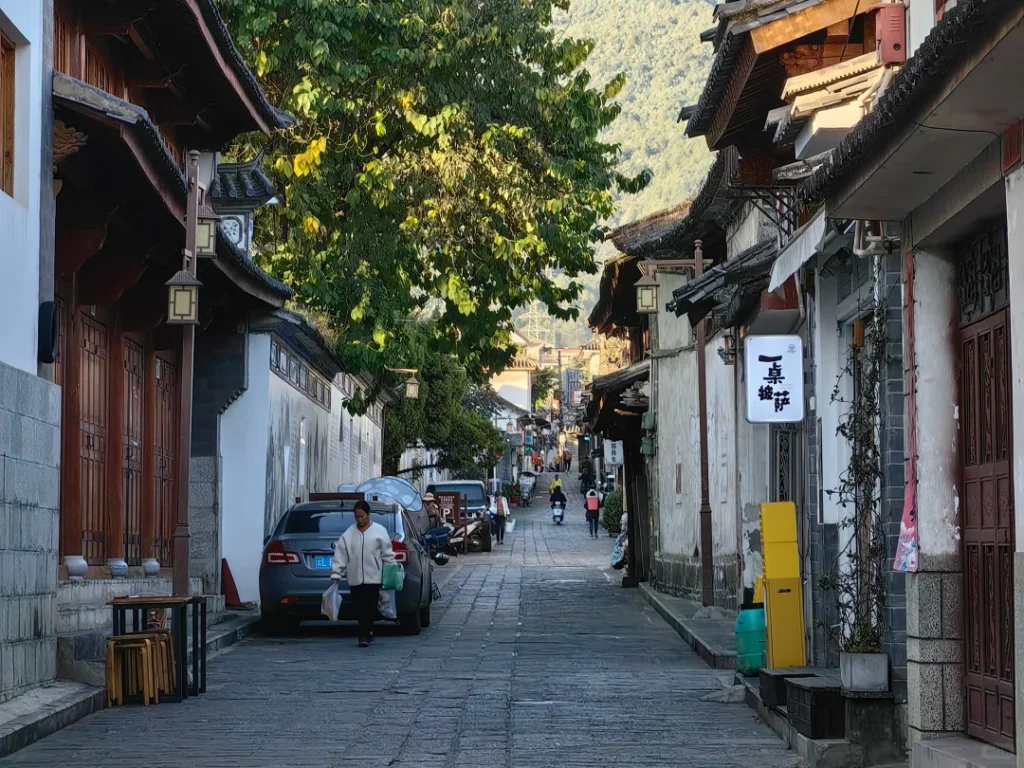
Cangshan Mountain Reflected in the Alley: Time Settles in These Historic Dwellings
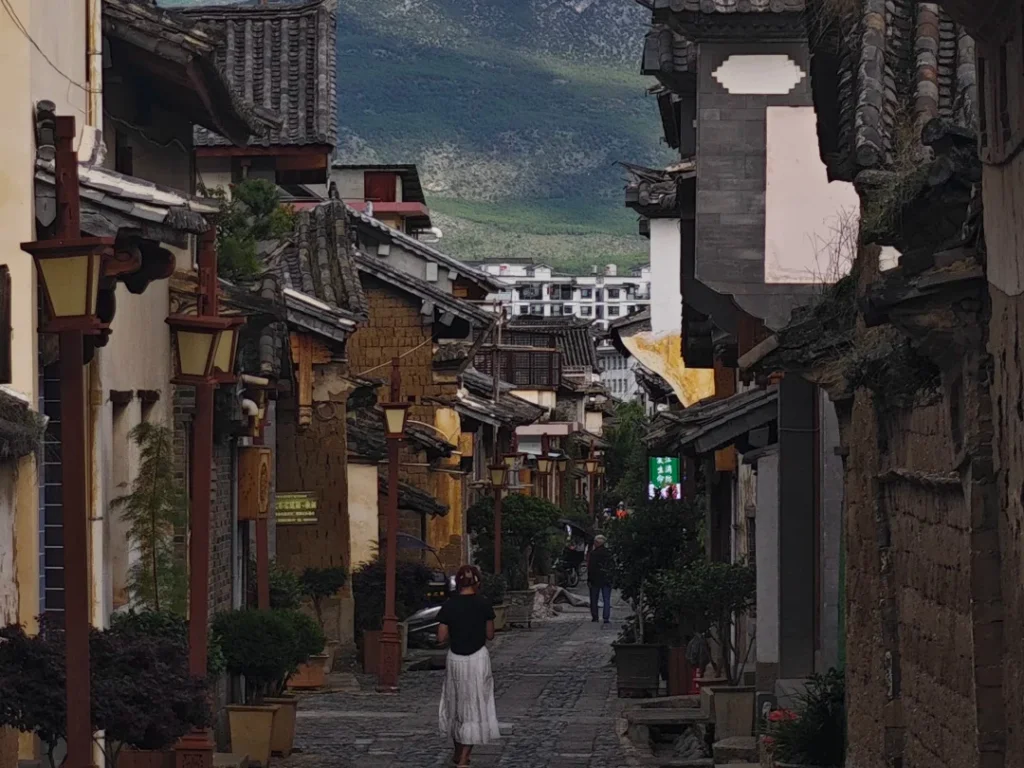
Set against the backdrop of Cangshan Mountain, the narrow alleys of Dali’s Old Town appear exceptionally rustic and serene, making themDali Old TownThe most charming corner. A bluestone path winds its way forward, flanked on both sides by traditional Bai ethnic dwellings—with bluish-gray roofs and earth-colored walls, all bearing the marks of time. The streetlights in the alley are elegant and soft; their wooden poles blend seamlessly with the style of the ancient city, while potted plants and greenery along the roadside dot the scene, adding a touch of vitality to the alley. A girl in a white dress walks slowly by, her silhouette light and graceful, blending seamlessly with the tranquility of the ancient alley. In the distance, Cangshan Mountain appears and disappears from view; its verdant peaks echo the rooftops of the ancient city, creating a breathtaking scene of “Cangshan Mountain Reflected in the Ancient City.” The deep alleys of Dali’s Old Town are a reflection of its ancient charm. Here, the most traditional Bai ethnic dwellings have been preserved; every wall and every tile holds the history of the old town. Walking through the alleys, you’ll see the greenery of Cangshan Mountain as you look up, while beneath your feet lie stone slabs smoothed by the passage of time; the air is filled with an atmosphere of rustic simplicity. The beauty of Dali Old Town lies in its inclusiveness—it accommodates both the bustle of the main streets and the tranquility of its alleys, allowing everyone who visits to find their own pace of life.
Campfire Party: Passion and Tenderness Amid the Night Scenery of the Ancient City
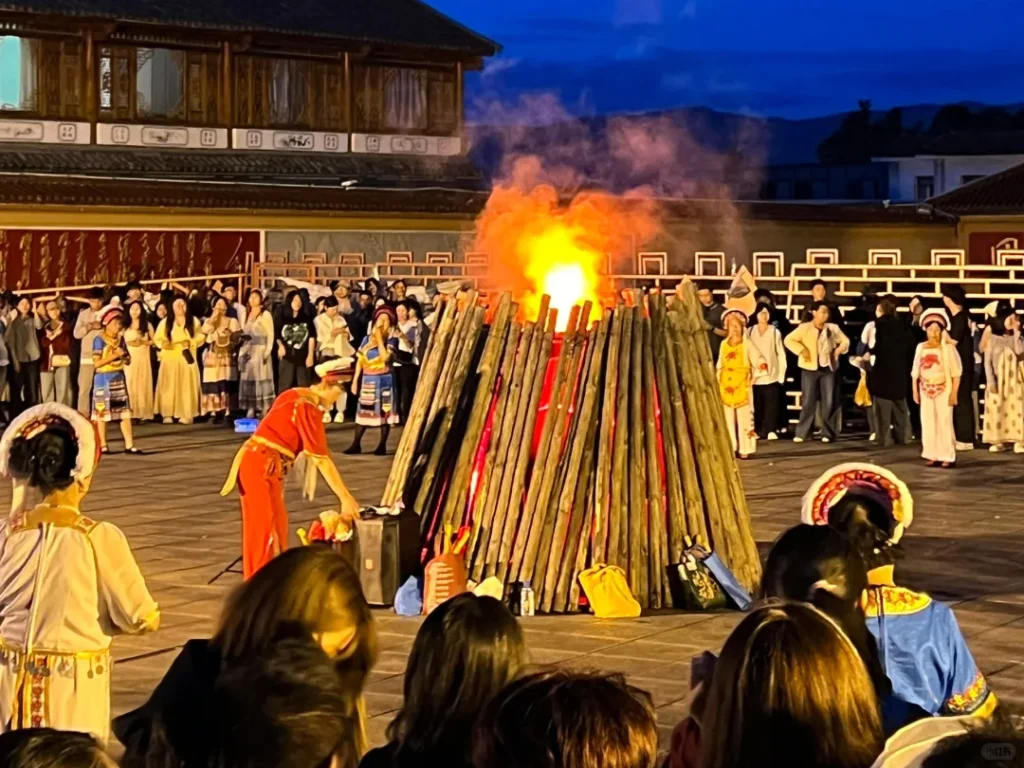
The bonfire party in Dali's Old Town lit up the night, becomingDali Old TownThe liveliest scene. As night fell, the bonfire in the square blazed brightly, its flames lighting up the night sky and the smiling faces of the people around it. Young women dressed in traditional Bai ethnic attire dance around the bonfire, their movements light and their smiles gentle. Tourists nearby join in one after another, moving to the rhythm of the music, and the air is filled with a sense of joy. The warmth of the bonfire dispels the cool of the night and brings people closer together. Nights in Dali’s Old Town aren’t just about the singing in bars and the lights of small shops—they’re also about this warmth and gentleness from the ethnic minorities. At the bonfire gathering, there was no sense of strangeness or distance—only laughter and dancing. Though everyone came from different places, they gathered under the same bonfire in the night sky of Dali Old Town. The flames dance, the songs ring out, and the smiles on people’s faces are warm and genuine—this is the most captivating side of Dali Old Town: a blend of time-honored charm and vibrant, lively energy. When you visit Dali Old Town, be sure to attend a bonfire party to experience Dali’s warmth and feel the tenderness and joy of the old town at night. Let this warmth from Western Yunnan brighten everyone’s journey.
→ Click here to see more Dali itineraries and activities
The Ancient City of the Four Seasons: A Journey Through a Thousand Years of Romance and Beauty
The beauty of Dali’s Old Town is ever-changing and dynamic—a timeless poem that has endured for a thousand years. Each season offers its own unique charm: romantic cherry blossoms in spring, cool summer breezes, a clear autumn sky, and dreamlike winter snow. The scenery shifts from morning to night, with the morning mist, sunset, and night sky each possessing their own distinctive charm.
Stroll through the blue-stone-paved alleys, watch the sunrise, savor local delicacies, and join a bonfire party—all while soaking up the charm of the ancient city. This place isn’t just about historic streets; it’s about a carefree, leisurely way of life. Step into Dali’s Ancient City for a romantic rendezvous; amidst the everyday life of the ancient alleys, discover simple, pure beauty.

Luxury Accommodations, Unique Attractions, Dali. Photographed at Dali Flower…
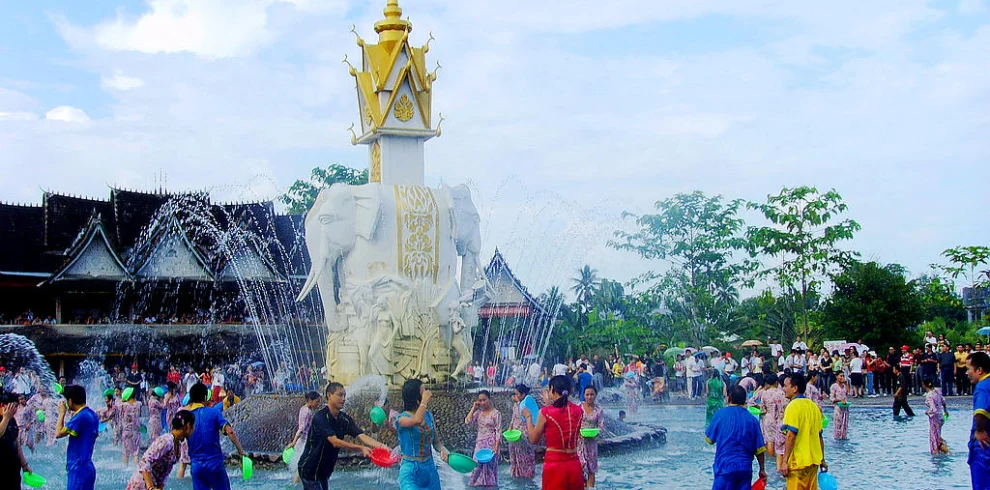
Premium Accommodations, Unique Attractions, Kunming Attractions, Kunming Stone Forest Scenery…

Luxury Accommodations, Unique Attractions, Kunming Attractions—Immerse Yourself in "The World’s…
→ Contact Us and Join Us on a Journey of Discovery
"Customized for Tourists | Your Shuhe, Your Way! Adjust the pace of your itinerary, choose your accommodations, and select nearby attractions."
"We specialize in travel services for visitors to mainland China. With years of experience, we focus on group tours and customized trips to attractions in Yunnan, particularly Lijiang. There are no hidden fees, so visitors can enjoy their trip to mainland China with greater peace of mind."
Food Recommendations
- Must-Try: Bai Ethnic Group’s “Three-Course Tea” (first bitter, second sweet, third with a lingering aftertaste—experience Bai tea culture), Xizhou Baba (available in savory and sweet flavors, with a crispy exterior and generous filling; 10 yuan per person), Bai-style Spicy and Sour Fish (moderately spicy and sour, with tender fish), and Milk Fan Shaqima (sweet and delicious, not greasy)—all of which are flavors that tourists generally enjoy;
- Bai Ethnic Cuisine Specialties: Bai-style cold dishes (cold wood ear mushrooms, cold pea flour noodles—refreshing and appetizing); Erhai Lake silver fish omelet (tender and flavorful); Dali raw skin (a local specialty; optional depending on personal preference; 50 yuan per person);
- Food Hotspots: Dali Old Town, Xizhou Ancient Town, and Shuanglang Ancient Town. We recommend long-standing local favorites and help you avoid overpriced “Instagram-famous” spots. Our tour guide can help you select authentic local cuisine, and for customized tours, we can adjust the menu to suit your tastes;
- Friendly Reminder: Some Bai ethnic cuisine tends to be sour and spicy; visitors may ask the restaurant owner in advance for “less spice”; Dali offers a wide variety of fruits (such as Dali snow pears, tamarind, and figs), which you can sample in moderation; for souvenirs, consider milk curd, Pu’er tea, and Bai ethnic tie-dye products, and avoid purchasing counterfeit local specialties from roadside vendors.
Recommended Accommodations
- Luxury Experience: A lakeside resort hotel on the shores of Erhai Lake (featuring a lakeside terrace and a swimming pool with panoramic views of Erhai Lake; breakfast included; ideal for travelers seeking a high-quality experience and who enjoy lake views);
- Best Value Options: Bai ethnic-style guesthouses in Shuanglang and Xizhou Ancient Towns (detached Bai-style houses with courtyards; some offer ocean views; breakfast included) and boutique hotels in downtown Dali (convenient transportation, close to the lakeside bus stop). These accommodations offer prime locations, making it easy to tour the lake and visit other attractions—ideal for most travelers;
- On a budget: Budget hotels in downtown Dali and guesthouses near the Old Town are affordable and conveniently located; some provide basic sunscreen and toiletries;
- Exclusive to Travel Agencies: Group tours include accommodations; you can choose from different price tiers based on your budget. We prioritize accommodations with convenient transportation, Bai ethnic cultural charm, or ocean views. For customized tours, we can book Bai-style homestays or high-end ocean-view hotels according to your needs and provide transportation services. Some homestays offer value-added services such as Bai-style breakfasts and cultural experiences.
Important Notes
- Carry your entry certificate with you at all times; you will be required to present it when visiting historic buildings that charge an admission fee or when checking into a hotel.
- Please respect the local Bai ethnic group’s customs and religious beliefs. Please remain quiet in the areas of ancient temples and ancestral halls, and do not touch ritual objects without permission.
- When buying from street vendors, browsing handmade goods, or purchasing souvenirs, it’s a good idea to ask for the price first to avoid any disputes.
- No loud noise, excessive drinking that disturbs residents, or unauthorized graffiti is permitted within the historic city; let’s work together to preserve the historic city’s environment.
Frequently Asked Questions
What are the must-see and free attractions in Dali Old Town?
Dali Old Town itself is open to the public free of charge. Must-see attractions in the heart of the old town include: Hualou Tower, Renmin Road, Foreigners’ Street, the Confucian Temple, and Honglong Well; top paid attractions include: the Dali City Museum, Marshal Du Wenxiu’s Mansion, and the Three Pagodas of Chongsheng Temple (located outside the old town). The alleys and traditional residences beyond the main streets, as well as the villages at the foot of Cangshan Mountain, also hide many authentic local charms.
Which area is best for staying in Dali Old Town?
If you’re looking for a lively atmosphere and convenience, choose an area near Renmin Road or Foreigners’ Street within the Old Town—it’s convenient for dining and exploring in the evenings; If you’re looking for a quiet retreat, we recommend staying near the West Gate or just outside the North Gate at the foot of Cangshan Mountain—the surroundings are serene, and it’s about a 10-minute walk from the Old Town; if you have a generous budget, consider a bed-and-breakfast at the foot of Cangshan Mountain, where some rooms offer distant views of Cangshan Mountain and Erhai Lake.
What are some must-try Dali specialties in the Old Town?
Locals’ Recommendations: Dali cold chicken rice noodles, milk fan, grilled milk fan, Weishan braised pork with rice noodles, cold rice noodles with shrimp, mushroom hot pot, and “Shuixing Yanghua.” Both Renmin Road and Foreigners’ Street are home to many authentic small eateries. We recommend avoiding the tourist-oriented restaurants on the main streets; the local restaurants tucked away in the alleys offer better value and tastier food.
What are the operating hours and best times to visit Dali Old Town?
The Old Town district is open all day, and most shops are open from 10:00 a.m. to 10:00 p.m. Recommended visiting times: early morning from 8:00 to 10:00 a.m. (fewer tourists and soft lighting, perfect for taking photos of empty streets); evening from 5:00 to 7:00 p.m. (the sunset bathes the old town in light, and as the streetlights come on, the atmosphere is superb); and at night from 8:00 to 10:00 p.m. (the bar district and snack street are bustling—a great time to experience the old town’s nightlife).
What should you keep in mind when traveling in Dali Old Town?
① Sun Protection and Warm Clothing: UV rays are strong at high altitudes, and there are significant temperature fluctuations between morning and evening, so be sure to bring sunscreen and a light jacket; ② Tips to Avoid Scams: There are many jade, silverware, and local specialty shops in the ancient city; exercise caution when purchasing high-priced items; ③ Cultural Etiquette: Please remain quiet when entering temples and historic residences, and respect the customs of local ethnic minorities; ④ Travel Safety: The cobblestone streets in the ancient town are uneven; flat, non-slip shoes are more comfortable.